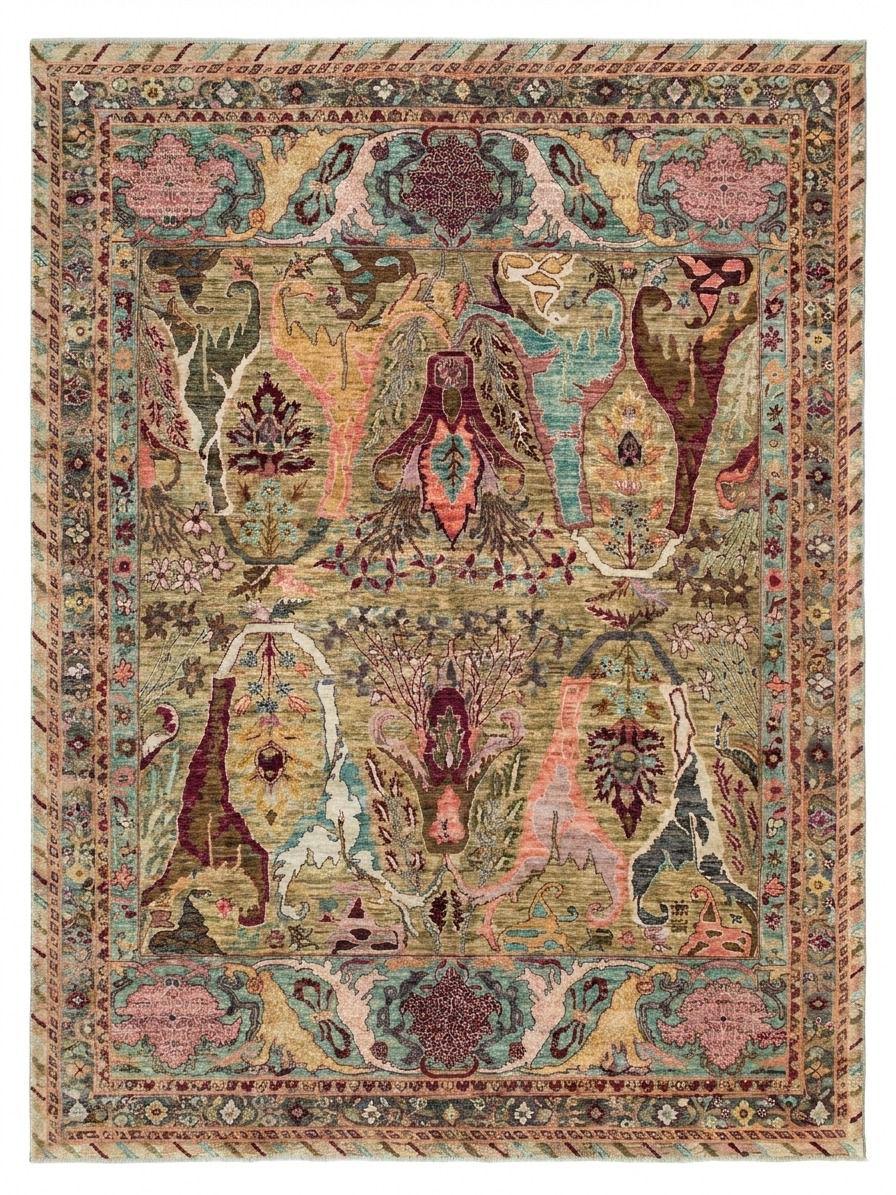
2,500 years of unbroken craft.
Iranian carpet-weaving reaches back to the Achaemenid Empire. The great workshop cities — Isfahan, Tabriz, Kerman, Qom — each developed their own canon of design and technique, recognisable in an instant by anyone who knows how to look. Master weavers of Isfahan work from hand-painted cartoons drawn by specialist artists — the design and the weaving are separate disciplines, practised at the same level of mastery.
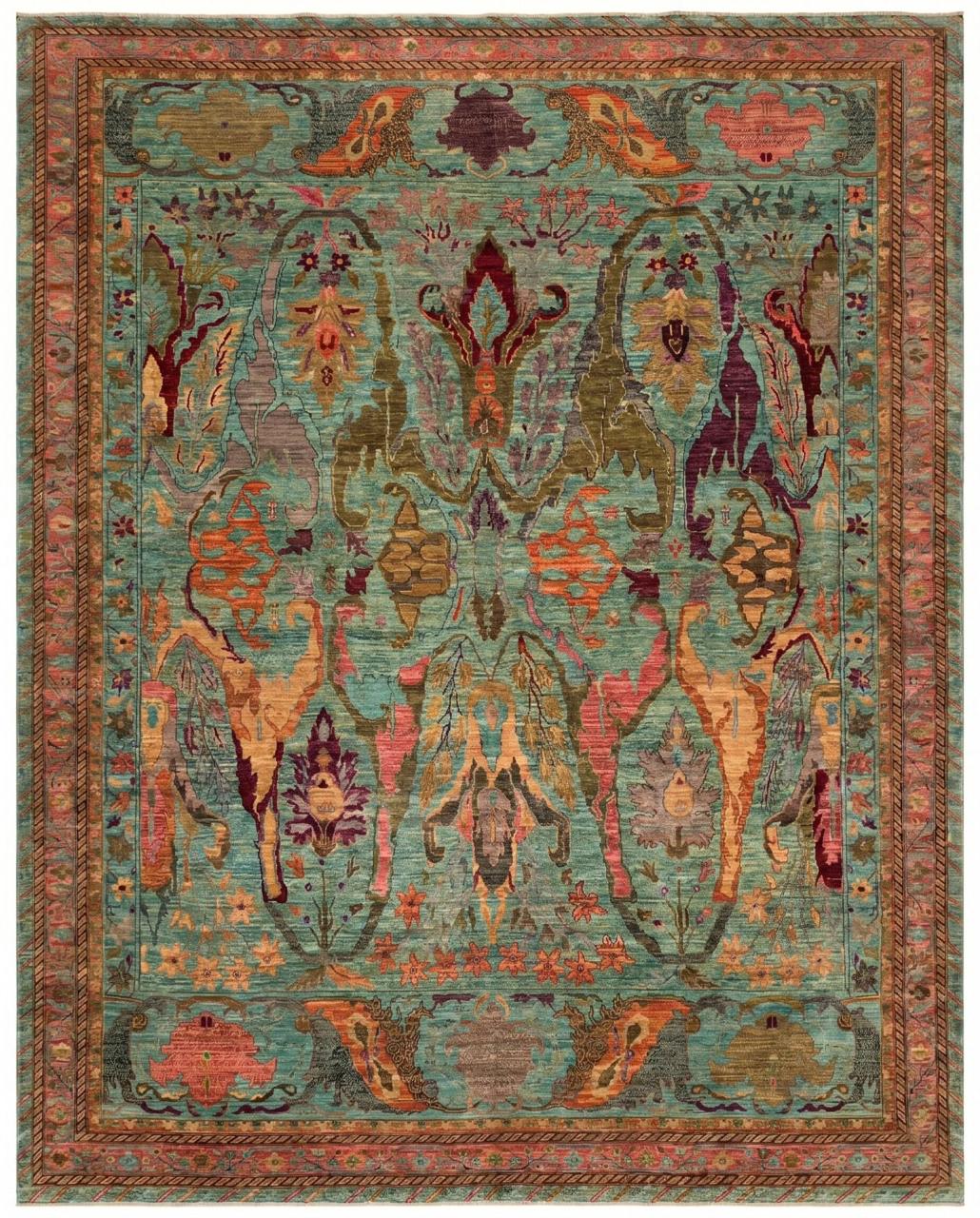
The boldest weaves in the world.
Afghan tribal rugs operate in a completely different register to the Persian classical. Less interested in refinement, more interested in power. The Ghazni highlands produce a wool that is unlike anything grown at lower altitude — denser, oilier, almost waterproof. Afghan rugs carry the mark of the maker — small asymmetries are intentional: a cultural tradition of humility before perfection.
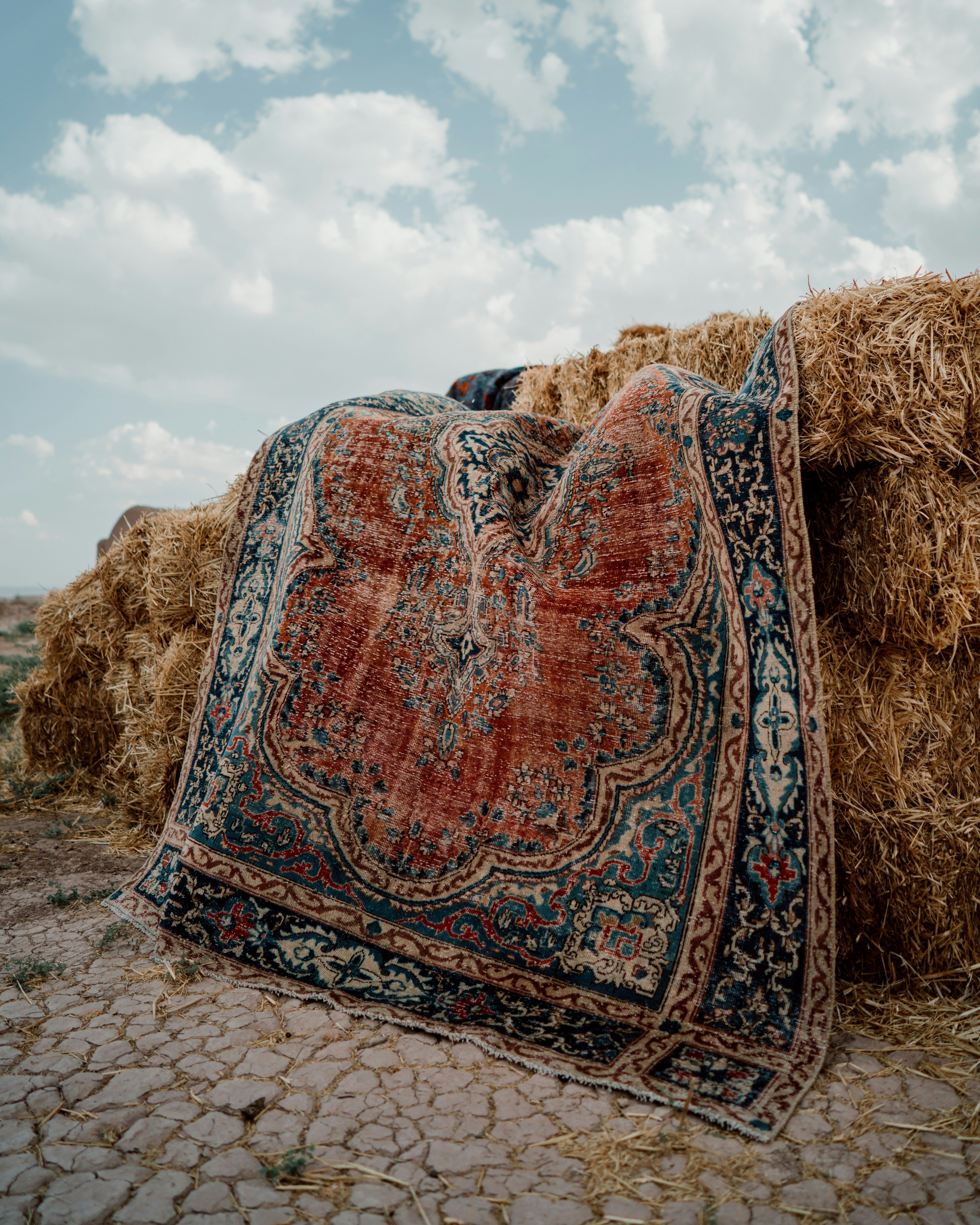
Four centuries of imperial craft, still alive.
The Mughal workshops established under Akbar in the 16th century set a standard that Pakistani weavers have never abandoned. Lahore, Peshawar, and Multan remain active weaving centres, each with their own character and speciality. The Patina line takes antique Multan pieces — some over a century old — and transforms them with contemporary over-dye. In Multan — one of the oldest continuously inhabited cities on earth — history is worn into the floor.
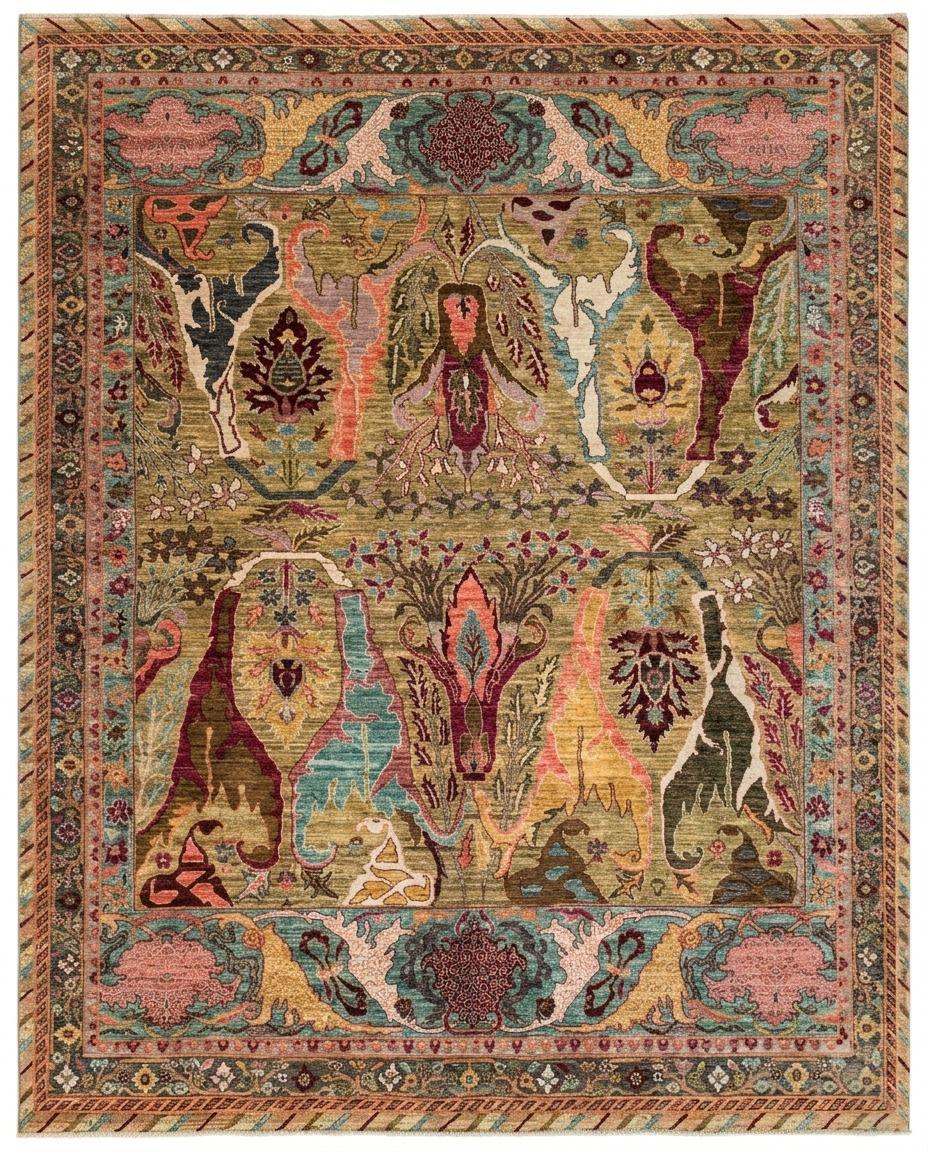
The softest pile in the world.
Nepalese rugs occupy a world apart. The Tibetan loop-knotting technique produces a pile that feels fundamentally different underfoot — deeper, softer, with a visual depth the flat structure of Middle Eastern weaves cannot achieve. Himalayan highland wool — 18–22 micron, the softest in the world. Many workshops in Kathmandu were established by Tibetan refugee communities whose weaving tradition is woven into every piece.